Making the decision to start therapy is a significant step. Whether you are seeking support for yourself, your child, or your family, it is completely normal to feel a mix of hope and nervousness before your first appointment. The unknown can feel intimidating, and many people find themselves wondering what will actually happen once they walk through the door or log into a virtual session.
Understanding what to expect can ease much of that anxiety. The first therapy session is not about diving into your deepest pain or solving everything at once. It is about building a foundation, getting to know each other, and beginning to create a plan for moving forward. Here is a detailed look at what typically happens before, during, and after that first appointment.
Before the Session: Preparation and Paperwork
The Initial Phone Call
For many therapists, the therapeutic relationship begins before you ever sit down together. Most therapists offer a brief phone consultation, sometimes called a discovery call, before scheduling a first session. This is your opportunity to share a little about what brings you to therapy, ask questions about the therapist's approach and experience, and get a sense of whether the therapist might be a good fit for you.
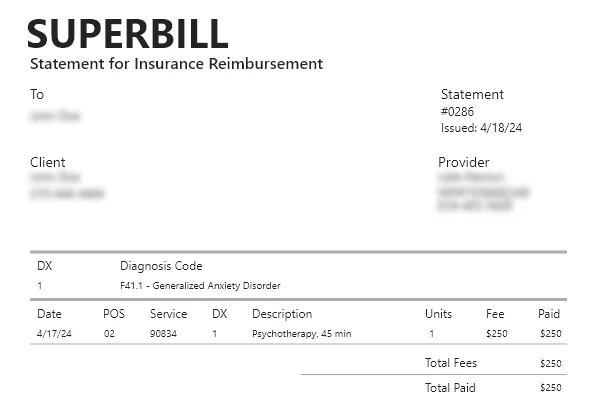
During this call, the therapist may ask basic questions about your situation, such as who therapy is for (yourself, your child, or your family), what concerns have prompted you to reach out, and whether you have been in therapy before. This is also a good time to ask about practical matters like scheduling, session fees, and whether the therapist offers superbills for insurance reimbursement.
Completing Intake Forms
Before your first session, you will typically be asked to complete intake paperwork. Many therapists now use secure online client portals where you can fill out these forms from home. The paperwork usually includes:
- Contact information and emergency contacts
- Health history and any current medications
- A brief overview of what brings you to therapy
- Informed consent documents that explain your rights, confidentiality, and the therapy process
- Insurance information, if applicable
While paperwork may not be the most exciting part of starting therapy, it serves an important purpose. It gives your therapist background information so that you can spend your actual session time on what matters most to you, rather than covering basic logistical details.
What to Bring
For an in person session, you do not need to bring much. Your completed paperwork (if it was not submitted online), a form of payment, and an open mind are really all you need. Some people find it helpful to jot down a few notes beforehand about what they want to discuss, especially if they are concerned about going blank in the moment.
For a virtual session, make sure you have a private, quiet space where you will not be interrupted, a reliable internet connection, and a device with a camera and microphone. Most therapists use a secure video platform, and you will typically receive a link before the session.
During the Session: What Actually Happens
Getting Comfortable
The first few minutes of a first session are usually about settling in. Your therapist understands that this is new territory for you and will take time to help you feel at ease. They may start with some casual conversation, explain how the session will work, and invite you to share what feels comfortable. There is no pressure to reveal everything right away.
A good therapist creates a warm and welcoming environment. You should feel safe, respected, and heard from the very beginning. If at any point you feel uncomfortable, it is okay to say so. Therapy is a collaborative process, and your comfort matters.
Sharing Your Story
The bulk of the first session is usually spent on what therapists call an intake assessment. This is not a test or an evaluation in a judgmental sense. It is simply a way for your therapist to understand who you are, what you are going through, and what you hope to achieve through therapy.
Your therapist may ask questions such as:
- What brought you to therapy at this particular time?
- How long have you been experiencing these concerns?
- How are these issues affecting your daily life, relationships, or work?
- What does your support system look like?
- Have you experienced any significant life changes recently?
- What are your goals for therapy? What would you like to be different?
If you are bringing your child to therapy, the therapist will likely spend time talking with you as the parent first, learning about your child's history, current behaviors, and what you have noticed at home and school. Depending on the child's age, the therapist may then spend some time with your child, possibly using play or art to help them feel comfortable.
You do not need to have all the answers prepared. It is perfectly fine to say "I'm not sure" or "I haven't thought about that." The first session is a starting point, not a finish line.
Understanding Confidentiality
Confidentiality is a cornerstone of the therapeutic relationship. Your therapist will explain the confidentiality policies during your first session, including what is shared and what stays private. In general, everything you discuss in therapy remains confidential. There are a few legal and ethical exceptions, including situations involving imminent danger to yourself or others, suspected child abuse or neglect, or a court order.
For parents bringing children or teens to therapy, confidentiality can feel a little more complex. Your therapist will discuss how information is handled between child and parent sessions. In general, while parents have a right to know about their child's overall progress and safety, the specific details of what a child shares in session are typically kept private to maintain trust. Your therapist will work with you to find a balance that keeps everyone informed and safe.
Session Length and Structure
A typical first therapy session lasts between 50 and 60 minutes, though some therapists schedule longer intake sessions of up to 90 minutes. The session structure is generally flexible. Your therapist will follow your lead to some extent while also making sure they gather the information needed to begin helping you effectively.
For child therapy sessions, the format may look quite different. Young children may spend the session playing, drawing, or engaging in activities while the therapist observes and gently interacts. This is not wasted time. It is how children naturally communicate, and a skilled child therapist can learn an enormous amount about a child's inner world through play.
After the Session: Next Steps
Processing Your Experience
After your first session, you may feel a range of emotions. Some people feel relief at having finally taken the step. Others feel emotionally drained from talking about difficult topics. Some feel hopeful, while others may feel uncertain about whether therapy is right for them. All of these reactions are normal.
Give yourself time to process the experience. You do not need to make any immediate decisions about continuing. That said, most therapists recommend giving therapy at least three to four sessions before deciding whether it is working for you. The first session is just the beginning, and the therapeutic relationship deepens over time.
Developing a Treatment Plan
Based on what you share in your first session (and sometimes over the first few sessions), your therapist will work with you to develop a treatment plan. This plan outlines your therapy goals and the approaches your therapist plans to use. It is a collaborative process, and you should feel like an active participant in shaping the direction of your therapy.
For family therapy, the treatment plan may include goals for the family as a whole as well as individual goals for family members. The therapist may recommend a combination of individual and family sessions, depending on the situation.
Scheduling Ongoing Sessions
Most therapists recommend weekly sessions, especially in the beginning. Consistency helps build momentum and allows the therapeutic relationship to develop. Over time, as you progress toward your goals, the frequency of sessions may decrease.
How to Know If the Therapist Is a Good Fit
The relationship between therapist and client is one of the most important factors in successful therapy. After your first session, ask yourself:
- Did I feel heard and understood?
- Did the therapist seem genuinely interested in my experience?
- Did I feel safe enough to be honest?
- Did the therapist explain things clearly and answer my questions?
- Do I feel hopeful or at least open to the process?
It is okay if you did not feel an immediate deep connection. Trust takes time to build. However, you should feel a basic sense of comfort and respect. If something felt significantly off, it is okay to try a different therapist. Finding the right fit is more important than sticking with the first person you see.
Common Concerns and Misconceptions
"What if I cry?"
Crying in therapy is common and completely acceptable. Therapists are trained to hold space for strong emotions, and tears are often a sign that something meaningful is being processed. You will never be judged for showing emotion.
"What if I don't know what to say?"
Your therapist is skilled at guiding conversations and asking questions that help you explore your thoughts and feelings. You do not need to have a prepared speech. Just showing up is enough.
"Will I have to talk about everything right away?"
Absolutely not. Therapy moves at your pace. A good therapist will never push you to share more than you are ready for. The first session is about building trust, and that trust develops over time.
"What if my child won't talk to the therapist?"
This is a common worry for parents, especially of younger children or resistant teens. Experienced child and teen therapists know how to engage young clients through age appropriate methods. For younger children, this might involve play, art, or games. For teenagers, the therapist may start with lighter topics to build rapport before addressing deeper concerns. It is normal for a child to be quiet or guarded in the first session.
Making the Most of Your First Session
Here are a few tips to help you get the most out of your initial appointment:
- Be as honest as you can. The more your therapist understands about your situation, the better they can help.
- Ask questions. This is your time. If you want to know about the therapist's approach, experience, or what treatment might look like, ask.
- Set realistic expectations. One session will not solve everything, but it can set you on a path toward meaningful change.
- Give yourself grace. Starting therapy is brave. Be proud of yourself for taking this step.
Getting Started with Therapy
If you have been thinking about starting therapy for yourself, your child, or your family, I would love to help you take that first step. As a licensed therapist with over 20 years of experience, I work with children, teens, families, and individuals in my Agoura Hills office and through virtual sessions available throughout California. I serve families in Westlake Village, Thousand Oaks, Calabasas, Oak Park, Woodland Hills, Simi Valley, and surrounding communities. Call 818-403-5439 or fill out the contact form below to schedule your first session. I look forward to meeting you.
If you need support right now. If you or someone you know is in crisis or thinking about self-harm, call or text 988 to reach the Suicide & Crisis Lifeline, or text HOME to 741741 for the Crisis Text Line. Both are free and available 24 hours a day. Call 911 if someone is in immediate danger.
This article is for general education and support. It is not medical or mental health advice, diagnosis, or treatment, and reading it does not create a therapist-client relationship. If something here sounds familiar, talking with a licensed therapist can help.
See these articles in your Google feed
Add this site as a preferred source and new posts surface for you first.