Trauma Therapy in Porter Ranch
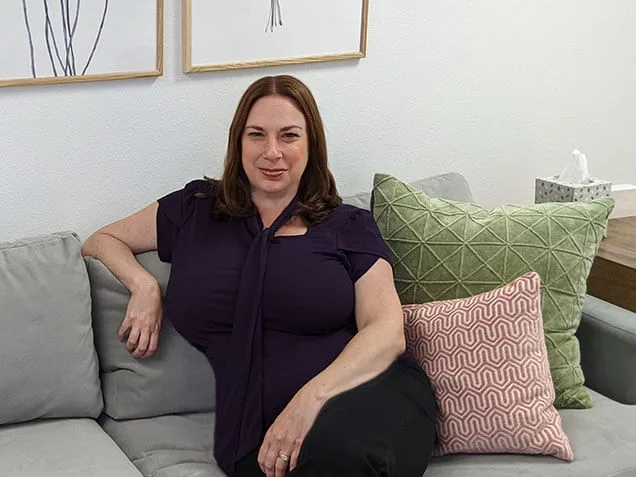
Trauma Therapy in Porter Ranch with Julie Klamon, LMFT
Trauma does not stay in the past. It lives in the body and the nervous system, and it has a way of showing up long after the event itself is over. A car accident on the 118, a sudden loss, an assault, an experience in childhood you have never told anyone about. Years later you might find yourself jumpy, unable to sleep, avoiding certain places, or feeling numb and disconnected without quite knowing why. If that describes you, what you are experiencing is a normal response to something abnormal, and it can heal.
I have spent more than 20 years helping children, teens, and adults recover from trauma. My approach is steady and trauma-informed. We do not rush, and we do not force you to relive anything before you are ready. The methods I draw on include trauma-focused cognitive behavioral therapy, mindfulness, somatic work that addresses how trauma is held in the body, and grounding and relaxation skills you can use between sessions.
My office is in Agoura Hills, about 35 to 40 minutes from Porter Ranch by way of the 118 and the 101. In-person sessions are available there, and virtual sessions are also available across California. We can decide together which setting feels safest for this work.
Training That Shapes This Work
Trauma is not something to improvise your way through, as a client or as a clinician.
Before private practice I spent over ten years at one of Los Angeles's leading agencies supporting children and teens in recovery from sexual abuse and trauma, and I became a certified UCLA Rape Treatment Center/Sexual Assault Counselor, working extensively with survivors there.
Porter Ranch clients are often surprised that trauma therapy does not require retelling everything in detail. A good deal of the work is about settling the body's response first.
How Trauma Shows Up
Trauma can follow a single event, like an accident, a crime, the unexpected death of someone close, or a serious injury. It can also build up over time through abuse, neglect, bullying, or living with ongoing fear. However it began, the effects tend to look similar: intrusive thoughts or flashbacks, sleep that will not settle, trouble concentrating, irritability or anger that surprises you, hypervigilance, avoiding anything that reminds you of what happened, and difficulty trusting people. These are not signs that something is wrong with you. They are signs your system has been doing its best to protect you, and therapy helps it learn that the danger has passed.
Trauma Therapy for the Porter Ranch Community
Busy, capable people often feel a strong pull to handle hard things quietly and stay focused on the next thing on the calendar. That works for a while. But trauma does not respond to being pushed aside, and unprocessed trauma has a way of leaking into your sleep, your relationships, and your patience with the people you love most. Many of the people I see waited years before reaching out, not because the pain was small, but because life was full and there never seemed to be time.
Children and teens carry trauma too, and they often cannot put it into words. A frightening event, a loss, or something they witnessed can show up as new fears, regression, anger, school problems, or pulling away from friends. Parents frequently notice the change before the child can explain it. Whether the person who is hurting is you or someone in your family, you do not have to carry it alone, and you do not have to be in crisis to deserve help.
How I Approach Trauma Therapy
Safety comes first. Before we go anywhere near the hardest material, we build a foundation of stability and coping skills so you are not flooded. From there, we work at a pace you control, gradually processing what happened so it loses its grip. I offer both individual therapy and family therapy, because trauma often affects more than one person in a household, and sometimes the people around a survivor need support too. You can read more about my general approach on my trauma therapy page, and on my related sexual abuse therapy page.
The goal is not to erase the memory. It is to take away its power, so the event becomes something that happened to you rather than something that still controls your days. People are often surprised by how much lighter they feel as the work progresses, and by the return of trust, sleep, and a sense of self that trauma had pushed out of reach.
Who I Work With
Children (8+)
Teens
Adults
Families
Frequently Asked Questions About Trauma Therapy in Porter Ranch
What does trauma therapy near Porter Ranch involve?
Trauma therapy helps you process difficult experiences in a safe, paced way so they have less hold over daily life. I use trauma-informed methods for single events and for trauma that built up over time, and we move at a speed that feels manageable. In-person sessions are held at my Agoura Hills office, and virtual sessions are also available across California.
Do you provide trauma therapy for children and teens?
Yes. I work with children ages eight and up, teens, and adults, and I have extensive experience helping young people recover from frightening or distressing events using age-appropriate techniques. I also work with parents so they can support their child at home.
Will I have to talk about the trauma in detail right away?
No. We build safety and coping skills first, and you set the pace for what we discuss and when. Effective trauma therapy does not require you to relive every detail. Much of the healing happens by helping your nervous system feel safe again, not by forcing you to retell the story before you are ready.
The trauma happened a long time ago. Is it too late for therapy to help?
It is not too late. Many of the people I see carried trauma for years or decades before reaching out, often because life stayed busy and there was never a good time. Old trauma still responds to treatment. The body holds it, and the body can also let it go with the right support.
How far is your office from Porter Ranch?
My Agoura Hills office is about 35 to 40 minutes from Porter Ranch via the 118 and the 101. In-person sessions are available there, and virtual sessions across California are also an option. We can decide together which setting feels safer and more comfortable for this work.
In-Person and Virtual Trauma Therapy Near Porter Ranch
My office in Agoura Hills, CA 91301 offers in-person trauma therapy for people in and around Porter Ranch, including Northridge, CA, Granada Hills, CA, Chatsworth, CA, and the wider northwest San Fernando Valley. Virtual sessions are also available to anyone located within California.
If something that happened to you or your child is still casting a shadow over daily life, healing is possible. Schedule a free phone consultation and we can talk through what you are dealing with at whatever pace feels right.