Child Therapy in Tarzana
Child Therapy in Tarzana with Julie Klamon, LMFT
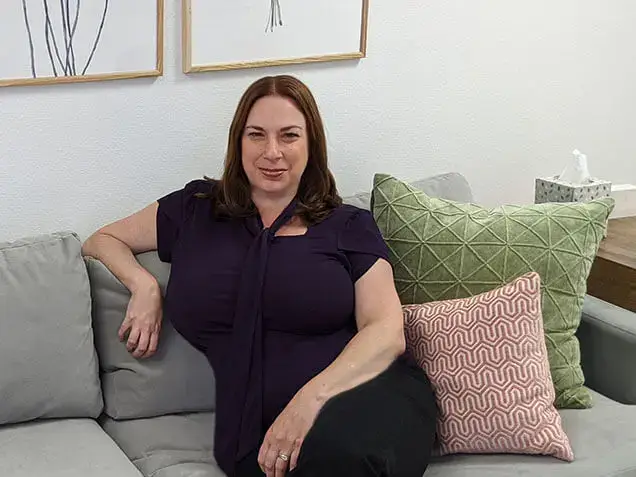
Children notice more than we give them credit for. They feel the tension at the dinner table. They sense when a parent is stressed, when a divorce is in the air, when something has changed at school. What they often cannot do is put any of it into words. So it comes out sideways: in stomachaches, in meltdowns, in a kid who used to be easygoing and is suddenly clingy or angry. Child therapy gives your son or daughter a place to work through those feelings with someone trained to hear what they are saying even when they are not saying much.
I have spent more than 20 years as a licensed marriage and family therapist. Early in my career I worked at a Los Angeles agency with children recovering from trauma, and that experience shaped how I understand the way young minds process hard things. With children, I lean on play, art, and games rather than long conversations, because that is how kids naturally show you what is going on inside.
My office is at 28310 Roadside Dr. in Agoura Hills, about 20 minutes from Tarzana on the 101 West. For younger children, in-person sessions usually work best, though virtual sessions are available across California.
Child Therapy for the Tarzana Community
Many local kids go to LAUSD campuses where class sizes are large and the social world can feel overwhelming. Their parents are often stretched thin between work, commutes, and the cost of raising a family in Los Angeles, and children absorb that pressure even when no one says a word about it. A lot of what I see in Tarzana families is ordinary and very common: anxiety about school, trouble making or keeping friends, big feelings that come out as tantrums or shutdowns, and the strain of a parental separation.
None of that means something is wrong with your child or with you. It means your child is human and is dealing with more than they have the tools to handle yet. My job is to meet them where they are and help them build those tools, so school feels less scary, friendships feel more manageable, and home feels calmer.
My Approach to Child Therapy
Children roughly ages 8 through 10 are in a particular stage. They are old enough to have real, complicated feelings, but they often lack the vocabulary to explain them. I use play therapy, expressive art, therapeutic games, and age-appropriate mindfulness to help a child name what they feel and learn what to do with it. We move at the child's pace, and sessions are built to feel safe rather than clinical. You can read more about my general approach on my child therapy page.
Parents are part of this from the start. We begin with a conversation about what you are seeing at home and at school, and I check in with you regularly. Your child's sessions are their own private space, but you will always have the information and the practical strategies you need to support them between appointments.
What Parents Should Know
You do not need to have it all figured out before you call. A lot of parents reach out unsure whether what they are seeing is serious enough for therapy. Here is the honest answer: if something feels off to you, that instinct is worth trusting. A child does not need to be in crisis to benefit from talking to a therapist. Sometimes early support is exactly what keeps a small struggle from turning into a bigger one. I am glad to talk through what you are noticing and help you decide whether therapy is the right step right now.
Who I Work With
Children Ages 8-10
Parents and Caregivers
Families



Frequently Asked Questions About Child Therapy in Tarzana
What ages do you work with for child therapy in Tarzana?
I work with children roughly ages 8 through 10 for child therapy. Kids in this range are old enough to talk about their feelings but still do best with creative, activity-based work in session. For children 11 and older, I offer teen therapy, which adjusts to the developmental needs of adolescents.
How do I know if my child needs therapy?
Look for changes that last more than a couple of weeks. A child who was outgoing and has gone quiet. Sudden trouble at school or with friends. Frequent stomachaches or headaches with no medical cause. More anger or tearfulness than usual, or a return to younger behaviors like bedwetting. These can all be signs that your child is wrestling with something they cannot manage on their own.
My child goes to an LAUSD school in Tarzana and is struggling. Can therapy help?
Yes. Children at LAUSD campuses often deal with large class sizes, academic pressure, and busy social environments. Therapy gives your child a place to work through school anxiety, friendship trouble, and the stress of keeping up, and it gives you concrete ways to support them at home.
Do you involve parents in child therapy?
Yes, parents are an essential part of the work. I usually meet with parents at the start to understand what is happening at home and at school, and I check in regularly to share what I am seeing and suggest things to try. Your child's individual sessions stay private, but you stay informed and involved in the overall plan.
How far is your office from Tarzana for child therapy appointments?
My office in Agoura Hills is about 20 minutes from Tarzana on the 101 West. I also offer virtual sessions across California, though in-person work tends to be a better fit for younger children who connect through play and movement.
What methods do you use in child therapy?
I use play therapy, expressive art, therapeutic games, and age-appropriate mindfulness. These approaches let children show and process feelings they cannot yet explain in words, and they teach coping skills in a way that actually makes sense to a kid.
In-Person and Virtual Child Therapy Near Tarzana
My office in Agoura Hills, CA 91301 is a convenient drive from Tarzana for in-person child therapy. I also see families from the surrounding Valley communities, including Encino, CA, Woodland Hills, CA, and Reseda, CA. Virtual sessions are available for families located anywhere in California.
If your child is struggling and you are not sure what to do, a conversation can help clarify things. Schedule a free phone consultation and we can talk about what you are seeing and whether therapy is the right next step.