Anxiety Therapy in Calabasas
Anxiety Therapy in Calabasas with Julie Klamon, LMFT

When anxiety takes hold, small things start to feel like emergencies. A text you have not answered, a deadline three weeks out, a comment someone made at pickup. The worry crowds in faster than you can reason your way out of it, and by evening you are too wired to wind down. Plenty of people live with that low-grade alarm running in the background. They function, they show up, and they are quietly worn thin.
My name is Julie Klamon, and I have practiced as a licensed marriage and family therapist for more than two decades. In that time I have helped a great many people turn that alarm down. I will not tell you to breathe deeply and think happy thoughts. We get specific about how anxiety works in your particular case, then use approaches with real evidence behind them to interrupt it.
You will find my office in Agoura Hills, roughly a 10-minute drive from Calabasas along the 101. For those who prefer to meet from home, I hold secure video sessions throughout California, an option many local clients appreciate for both the discretion and the saved time.
When Anxiety Is More Than Everyday Stress
Worry on its own is part of being human, and it is not the reason people call me. The reason is anxiety that has stopped responding to logic. The mind keeps rehearsing conversations that may never take place. The body holds its guard up through an otherwise calm Saturday. Bit by bit, you turn down plans and postpone choices until your world has narrowed without you deciding to let it. Once anxiety reaches that stage, it has become a groove your nervous system keeps falling into, and telling yourself to snap out of it almost never does the job.
Anxiety Therapy for the Calabasas Community
From the outside, life can look like no one struggles. When your surroundings suggest that everything should be fine, it gets harder to admit that you feel anything but. People tell me they feel guilty for being anxious in a comfortable life, as if the worry itself is a failure.
The pressures are real even when they are quiet: demanding work, academic expectations that travel through the whole household, the sense that the next thing always feels urgent. The clients I see from Calabasas are capable people who have hit the point where pushing harder is no longer working. Therapy gives them a place to deal with what effort alone cannot fix.
How I Approach Anxiety Therapy
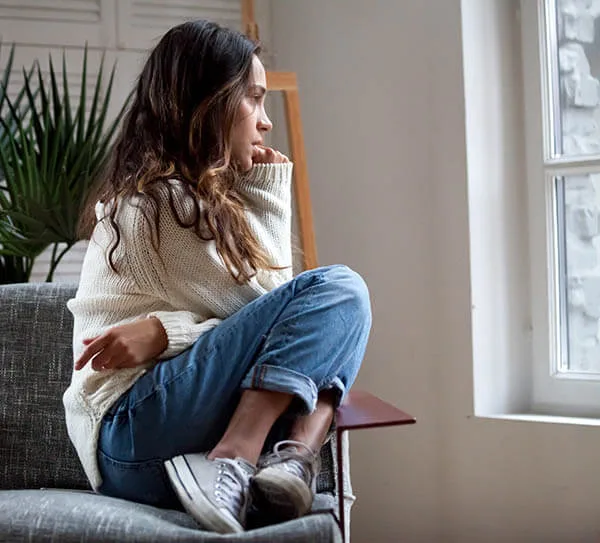
Because anxiety wears a different face for each person, I do not reach for a standard worksheet. One client arrives with panic attacks that strike with no warning. Another lives under a steady cloud of dread that never quite lifts. For some it goes back to childhood; for others it surfaced after one hard season, a diagnosis, a loss, a role that demanded too much. My first task is simply to understand the shape of your anxiety and what keeps it running. Then we assemble tools you can actually reach for in the moment, including cognitive behavioral techniques, paced exposure, and grounding skills. There is more about my overall method on my anxiety therapy page.
I am not trying to scrub every uneasy feeling out of your life. A measure of anxiety is healthy and informative. What we are after is taking your nervous system off high alert, so your thinking clears, your nights get longer, and your decisions stop being driven by avoidance.
Who I Work With
Children (8+)
Teens
Adults
Seniors
Frequently Asked Questions About Anxiety Therapy in Calabasas
What does anxiety therapy in Calabasas usually address?
It addresses the worry that does not switch off, panic attacks, social anxiety, and the physical side of anxiety like a racing heart, muscle tension, and broken sleep. Many of my clients also carry performance pressure from demanding careers and a sense that they are supposed to have it all together. We focus on whatever is disrupting your days the most.
How do I know if I need therapy or if this is just normal stress?
Stress comes and goes with circumstances. Anxiety becomes a clinical concern when the worry is constant, feels out of proportion, and starts interfering with your work, sleep, or relationships. If you are avoiding things you used to handle easily or feeling on edge most days, that is worth addressing.
Do you treat anxiety in children and teens, not just adults?
Yes. I work with children ages 8 and up, teens, and adults. Anxiety shows up differently at each age, so I use more concrete, hands-on tools with younger kids and more direct skill-building with teens and adults. For school-age clients, academic pressure is often part of the picture, and I bring parents in when it helps.
How far is your office from Calabasas?
My office in Agoura Hills is about 10 minutes from Calabasas on the 101. It sits just outside the immediate community, which gives clients who value discretion a quieter setting for their appointments.
Do you offer virtual anxiety therapy for Calabasas residents?
Yes. I see clients by secure video anywhere in California. Many clients prefer virtual sessions for the privacy and for skipping the drive, and virtual work is just as effective for most anxiety concerns.
In-Person and Virtual Anxiety Therapy Near Calabasas
For in-person anxiety therapy, my Agoura Hills office at CA 91301 is a quick trip from Calabasas. Families from neighboring areas come here too, among them Hidden Hills, Woodland Hills, Agoura Hills, Westlake Village, Malibu, and Oak Park. Anyone living in California can meet with me through virtual sessions instead.
If anxiety has been calling the shots for too long, let us talk. You can book a free phone consultation, and from there we will decide together whether this is the right fit for you.
More Support in Calabasas
- Child Divorce Counseling in Calabasas
- Child Therapy in Calabasas
- Co-Parenting Therapy in Calabasas
- Depression Therapy in Calabasas
- Family Therapy in Calabasas
- Senior Therapy in Calabasas
- Sexual Abuse Therapy in Calabasas
- Teen Therapy in Calabasas
- Trauma Therapy in Calabasas
- Parenting Support in Calabasas